Major Music Publishers and X Corp Reach Settlement, Ending Copyright Dispute While Antitrust Claims Remain
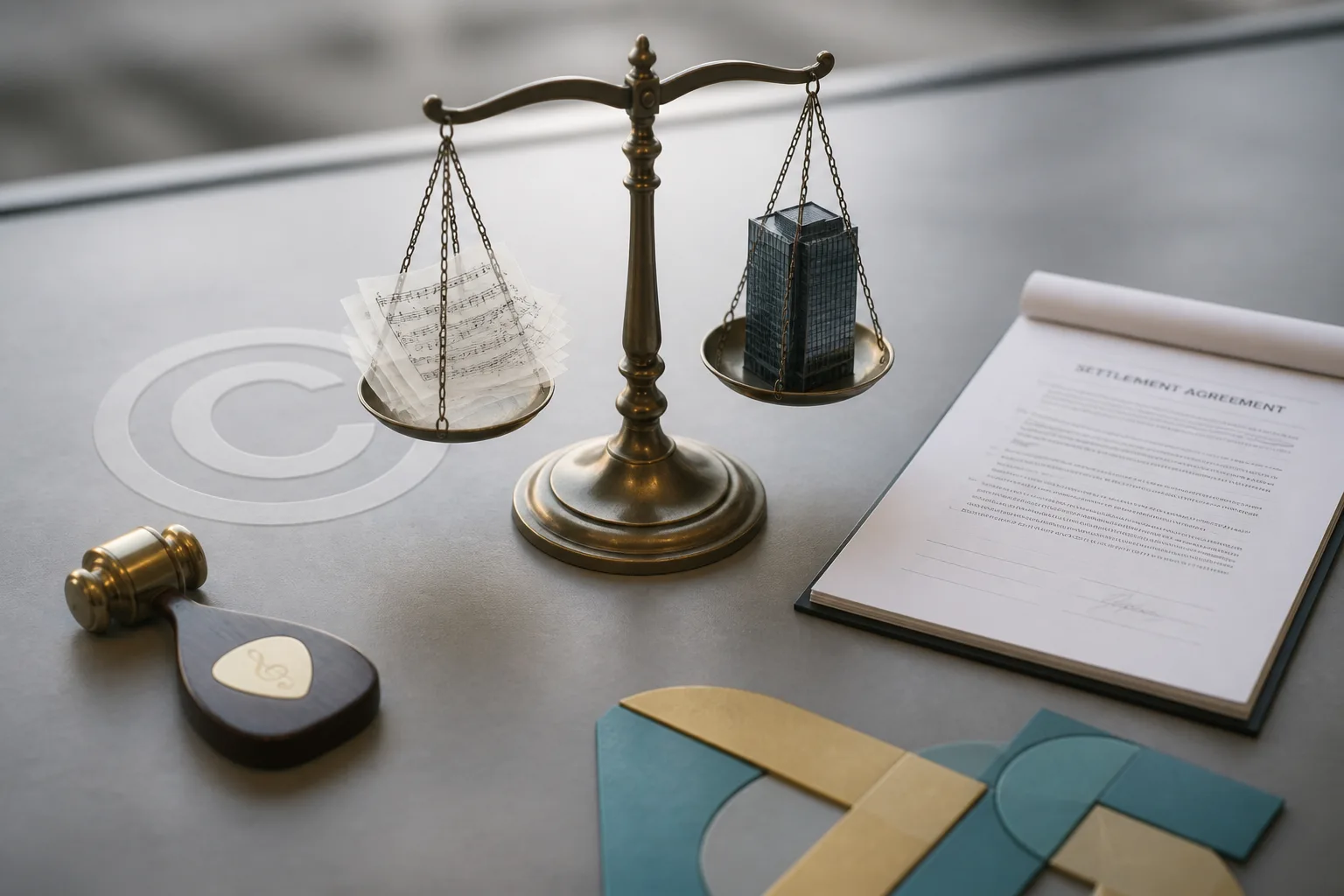
On July 17 2025, a courtroom drama that had drawn the attention of the entire music‑industry ecosystem reached a decisive conclusion: Universal Music Group, Sony Music, and a coalition of other major publishers agreed to dismiss the lawsuit they had filed against X Corp. The settlement, announced in a joint motion in a federal court in Tennessee, brings an end to the high‑profile copyright battle that began in 2023 and bars the plaintiffs from re‑filing the same claims.
The original suit, lodged in Nashville in 2023, alleged that X’s platform allowed users to post copyrighted songs without securing proper licenses. Seventeen publishers, including UMG and Sony, sought more than $250 million in damages for the alleged infringement of roughly 1,700 copyrights. They argued that X “regularly ignores” user infringements while other social‑media platforms such as TikTok, Facebook, and YouTube had already negotiated licensing agreements with publishers.
In 2024, a judge in the same Tennessee court dismissed a large portion of the case. The court held that X could not be held liable for direct or vicarious infringement, but it left claims of contributory infringement in the docket. In January 2026, X filed a counterclaim in Texas, accusing the publishers of violating federal antitrust laws by refusing to negotiate individual licenses. The publishers responded in April 2026 by asking the court to dismiss the counterclaim.
The July 17 filing now dismisses the copyright claims with prejudice, meaning they cannot be re‑filed. The parties agreed that the counterclaim remains in the docket, so the antitrust allegations are still pending. The settlement therefore halts the copyright fight but leaves the antitrust dispute unresolved.
For creators and producers, the settlement signals that X will no longer face the same litigation risk over music licensing on its platform. However, the unresolved antitrust claims raise questions about how X and other social‑media services will negotiate licensing agreements in the future. The case highlighted the tension between music publishers’ desire for direct licensing deals and the business models of platforms that rely on user‑generated content.
The lawsuit was one of the most widely reported clashes between the music industry and social‑media platforms. Other services, such as TikTok, have established formal licensing agreements with publishers, while X had previously relied on a more permissive approach. The settlement may prompt X to adopt a licensing model similar to its competitors or to negotiate new terms with publishers.
Industry observers note that the dismissal of the copyright claims removes a major legal obstacle for X, but the pending antitrust case could still influence future licensing negotiations. If the antitrust claim is upheld, it could compel X to engage in more direct licensing discussions with publishers, potentially changing the way music is cleared for user‑generated content.
In summary, the July 17 settlement ends the copyright lawsuit between X Corp and major music publishers, preventing the plaintiffs from re‑filing those claims. The antitrust counterclaim filed by X remains in the docket, leaving that dispute unresolved. The outcome allows X to focus on developing future licensing mechanisms for its platform while the broader industry watches how the antitrust case may shape the relationship between social‑media services and music rights holders.