Universal Music Publishing Group Hosts Code-M: Conversation in Music Songwriting Camp in Shanghai
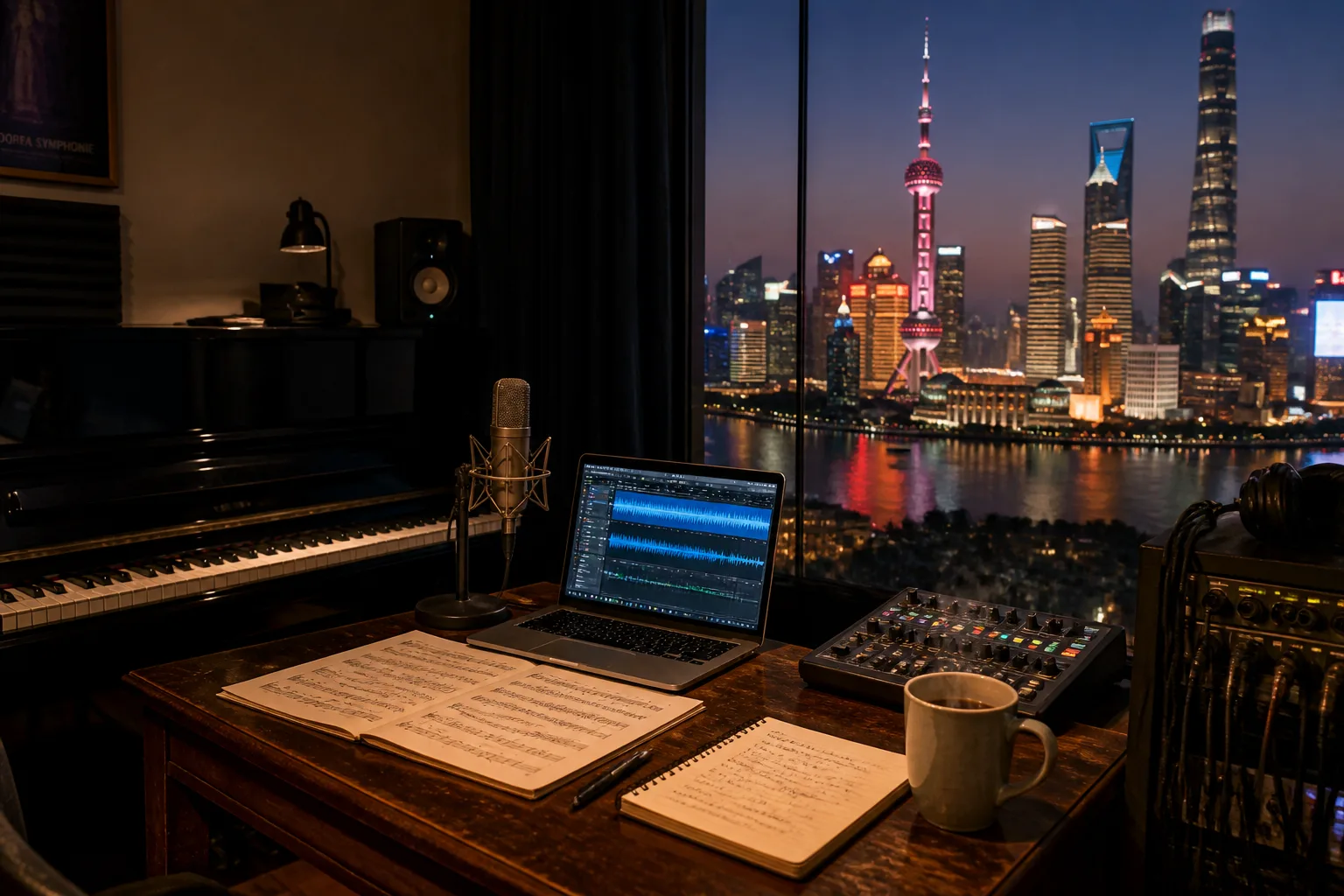
In early July, Shanghai’s music scene buzzed with the arrival of 13 songwriters and producers from China, Hong Kong, Malaysia, Singapore, Australia, Portugal, and the United States. From July 5 to July 10, 2026, Universal Music Publishing Group (UMPG) China staged the week‑long camp “Code‑M: Conversation in Music,” a cross‑border workshop that yielded more than 20 fresh tracks.
The roster read like a global hit‑maker’s dream. Hong Kong lyricist‑producer Jolland Chan, Chinese folk‑rock star Wan Xiaoli, and Malaysian singer‑songwriter VChuan were joined by Xinjiang’s Alipu, Australian writers Benny Morrell and Matthew Choi (a.k.a. Saint Leonard), Hong Kong’s JNYBeatz and Matthew Tong, Singapore’s Ralph Pan, Malaysian lyricist Ruiye, Portuguese hitmaker TYOZ, electronic producer WILLIM, mainland Chinese drum‑and‑bass pioneer Radiax Yang, singer‑songwriter Yang Moyi, Canadian‑born Laird (Zhou Yutian), and avant‑garde artist Akini Jing.
The camp’s structure was simple yet effective: participants were divided into three stylistic groups and given a studio to write, arrange, and record. Over the course of the week, the writers exchanged ideas in real time, blending regional sensibilities with contemporary pop sensibilities. By the final day, the collective had produced a catalog of tracks that spanned folk‑rock, electronic, drum‑and‑bass, and hybrid pop.
At the closing ceremony on July 10, the finished songs were unveiled to an audience that included UMPG‑China managing director Patricia Sun, UMPG‑signed songwriters, and key licensing partners. Sun underscored UMPG’s role as a conduit between China’s burgeoning music market and the global industry, pledging to use its worldwide platform to support songwriters venturing into new creative territories. She highlighted the camp’s mission of fusing Chinese musical heritage with international pop to broaden Mandarin music’s global reach.
During her remarks, Sun also spotlighted a new feature of the camp: a dedicated session on the commercial operation of music publishing rights. The workshop aimed to deepen writers’ understanding of publishing business models and to foster dialogue between creators, management companies, and business partners. This initiative aligns with UMPG’s global brand identity, launched in June, which places songwriters at the heart of music culture.
Jolland Chan reflected on the creative process, noting that “successful songwriting requires a clear vision and originality rather than following data‑driven trends.” He stressed the importance of tailoring music to performers while introducing fresh themes. Wan Xiaoli praised the high‑quality output achieved in just a few days, and VChuan expressed enthusiasm for the diverse styles showcased. First‑time participant Ruiye reported that the experience helped him break habitual patterns by drawing on the musical environments of other regions. Akini Jing, who received several songs written for her and also contributed to others’ work, thanked collaborators for the stories embedded in the music and expressed hope that the tracks would reach wider audiences.
UMPG, a global publisher with 48 offices in 46 countries, manages a catalog of more than four million songs and represents artists ranging from Jay Chou to Taylor Swift, Adele, and Eminem. The company also supplies classical and production music and provides synchronization licensing for major studios such as Warner Bros., Universal Pictures, DreamWorks Animation, and NBCUniversal Television.
The Shanghai camp fits into UMPG China’s broader strategy to strengthen collaboration among Chinese‑language songwriters across different markets and to build creative partnerships between Chinese and international writers. By facilitating dialogue and co‑creation, the initiative seeks to enhance the dialogue between China’s music market and the wider industry.
The event concluded with the presentation of the newly created tracks, marking a milestone in cross‑border songwriting collaboration. UMPG China has indicated that the experience will inform future projects and further support the integration of Chinese music into global markets, underscoring the company’s continued investment in fostering international songwriting collaboration and expanding the reach of Mandarin music through cross‑cultural partnerships.