Drakes Defamation Lawsuit Against Universal Music Group Dismissed, Feud with Kendrick Lamar Persists
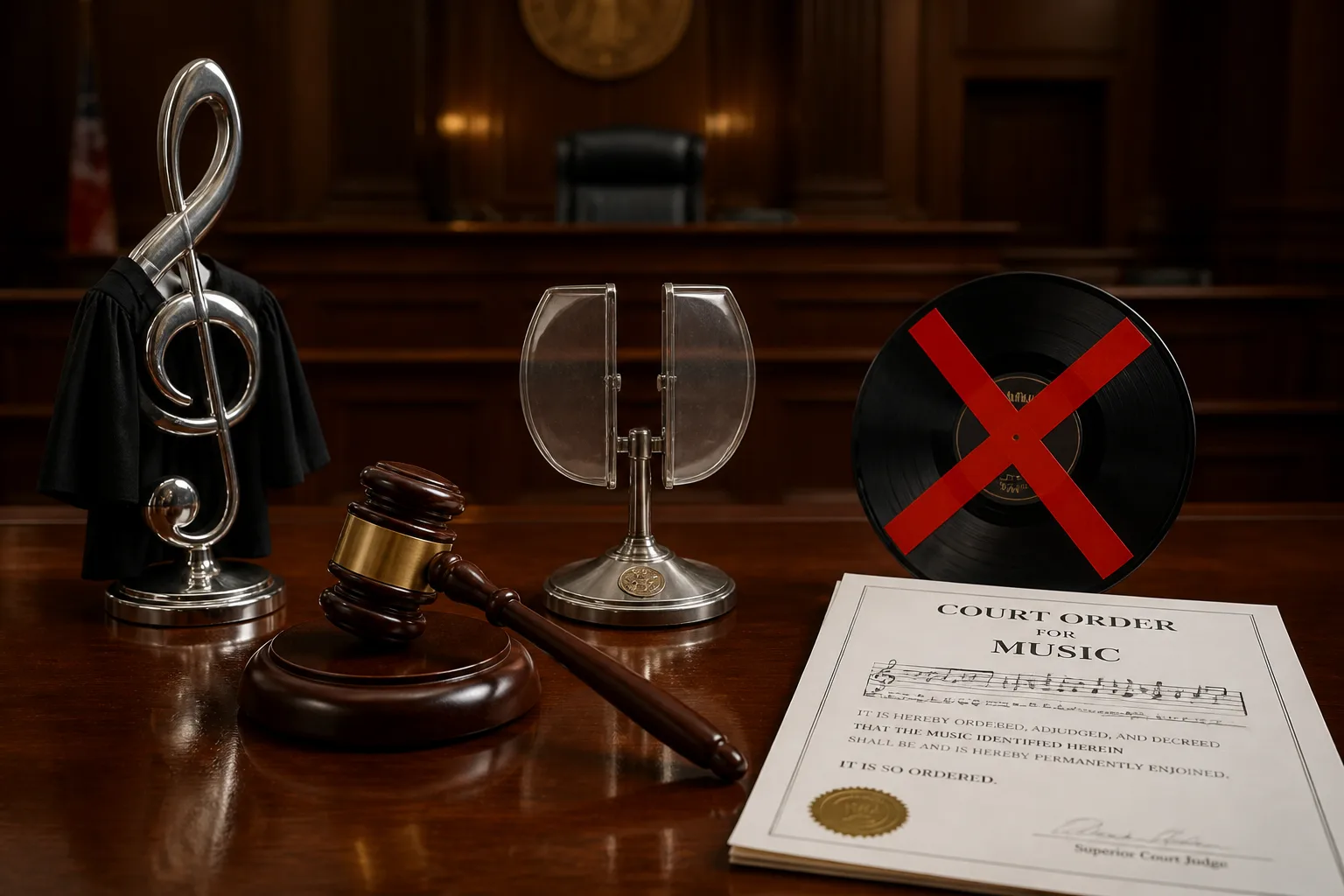
In a courtroom that felt more like a studio session, a federal judge in New York dismissed Canadian rapper Drake’s defamation lawsuit against Universal Music Group (UMG) on Thursday, ending a high‑profile legal dispute that began in early 2024. The case, filed by Drake’s company Frozen Moments LLC, accused UMG and its streaming partner Spotify of artificially inflating the streaming numbers for Kendrick Lamar’s diss track “Not Like Us” and of defaming Drake.
The lawsuit was first lodged in January 2025, months after Lamar’s track—produced by Mustard with additional work from Sounwave and Sean Momberger—hit the airwaves on May 4, 2024. The song quickly topped charts worldwide and earned five Grammy Awards in 2025. In response, Drake released “The Heart Part 6,” denying Lamar’s accusations. In the legal filing, Drake alleged that UMG licensed the song to Spotify at “drastically reduced rates” and employed bots to create a false impression of popularity.
According to court filings, the judge found that the evidence presented did not establish a defamation claim. UMG countered that the lawsuit was an insult to the art of rap battles and that the allegations were unsubstantiated. The dismissal follows a similar outcome in October 2025, when the same lawsuit was dismissed for lack of evidence.
The legal action is part of a broader feud that has dominated hip‑hop headlines since 2013. The rivalry began when Drake responded to Kendrick Lamar’s verse on Big Sean’s “Control.” Over the next decade, the two artists exchanged disses, culminating in the 2024 release of “Not Like Us.” The track’s success and subsequent legal challenge highlight the growing intersection of streaming metrics and artist‑label disputes.
The lawsuit also touched on Drake’s long‑standing relationship with UMG. In a 2011 interview with Billboard, Drake explained that he signed with Young Money/Cash Money/Universal largely out of loyalty to mentor Lil Wayne. He said the deal was structured to benefit Wayne and that he would have pursued a different path if an independent arrangement had been possible. This loyalty has been cited as a motivating factor in Drake’s later public criticisms of UMG’s business practices.
Industry observers note that the dismissal does not resolve the underlying questions about streaming manipulation. Spotify’s statement in 2024 denied any inflation of “Not Like Us” streams, and UMG has maintained that its licensing practices are standard. The case underscores the challenges artists face when confronting large corporate entities over data transparency.
The appeal filed by Drake in July 2026 seeks to bring the case back before a jury. According to the filing, the appeal argues that the dismissal was premature and that new evidence could demonstrate UMG’s role in inflating streams. The court has scheduled a hearing for the next month.
For UMG, the dismissal is a relief, but the company remains under scrutiny from artists who question the fairness of streaming revenue distribution. The legal battle has prompted calls for clearer reporting standards and has intensified discussions about the power dynamics between major labels and their signed artists.
The current status is that the lawsuit remains dismissed, with Drake’s appeal pending. No settlement has been announced, and the dispute is likely to continue in court. The outcome will have implications for how streaming data is used in legal contexts and for the broader debate over artist rights in the digital age.