Steely & Clevies Fish Market Lawsuit Pushes Dembow Rhythm into Copyright Spotlight
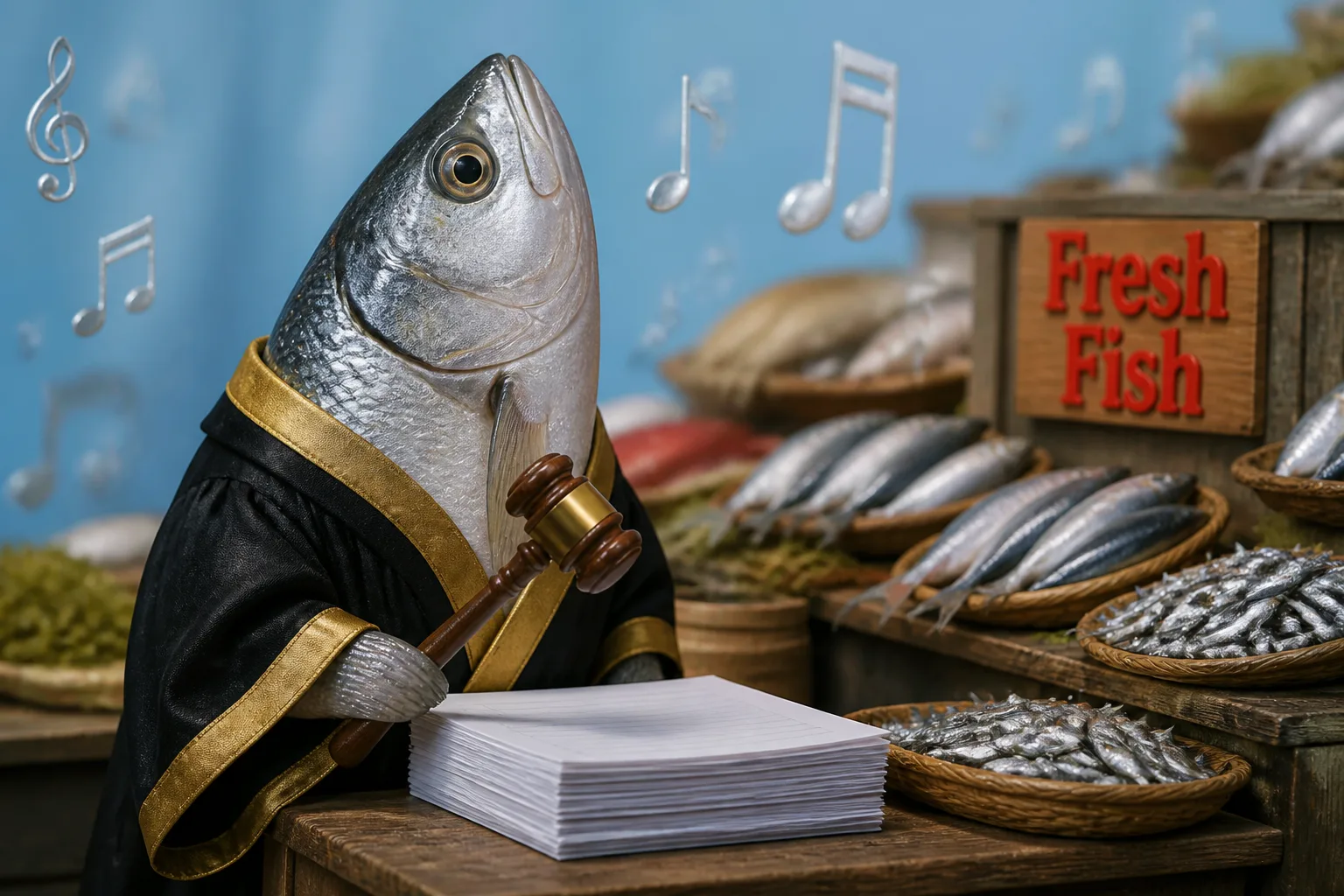
When a syncopated beat from a 1989 reggae B‑side sparks a courtroom battle, the ripple extends far beyond the Caribbean studio. In 2023, the estate of Jamaican producers Steely & Clevie—Wycliffe Johnson and Cleveland Browne—filed a lawsuit alleging that the rhythm from their single Fish Market has been lifted into more than 1,800 reggaeton tracks, including 77 songs by Bad Bunny.
The suit, lodged in the U.S. District Court for the Central District of California, names over 100 artists and labels such as Bad Bunny, Karol G, Daddy Yankee, J Balvin, and others. Plaintiffs claim the syncopated pattern is a protected element of the original recording and that defendants profited from it without permission.
On May 31 2024, a federal judge denied the defendants’ motion to dismiss, allowing the case to proceed to a jury. The judge emphasized that whether a rhythm can be copyrighted is a question for the jury to decide. In response, several high‑profile reggaeton artists filed motions to dismiss, arguing that the pattern is a generic, unprotectable element.
U.S. copyright law traditionally safeguards original works of authorship, but the legal status of a simple drum pattern has remained ambiguous. The court’s decision to let a jury weigh the issue underscores the ongoing debate over rhythm copyrightability—an inquiry that could reverberate beyond reggaeton.
If the plaintiffs prevail, royalty structures for reggaeton and other genres that rely on the dembow beat may shift dramatically. Producers and record labels could be compelled to negotiate new licensing agreements for a rhythm that has become a genre‑wide staple.
The case is now in the jury phase. No settlement has been announced, and the parties have not disclosed potential damages. The outcome will be closely watched by artists, producers, and legal scholars interested in the limits of musical copyright.