Geezer Butler Credits Jack Bruce as the Bass Player Who Inspired Him
When Geezer Butler stepped into a Birmingham club in the late 1960s, he didn’t expect to discover a new instrument, but he did. The moment changed the trajectory of a future heavy‑metal icon and, decades later, he would publicly thank the very musician who sparked that change.
On June 11, 2026, Butler appeared in the second episode of Fender’s new “Lowdown on the Low End” series. The program brings together celebrated Precision Bass players to discuss gear, career milestones, and the instrument’s evolution. Joining Butler was Foo Fighters bassist Nate Mendel, who recalled his own early inspiration from Sting’s Precision work.
When the interviewer asked how Butler first became fascinated with the bass, he answered in a single, emphatic sentence:
> “The one player that totally showed me what you could do with a bass was Jack Bruce when I went to see Cream.”
Butler went on to describe the experience that made Jack Bruce the defining figure for him:
> “Everybody was going, ‘You’ve got to see this incredible guitarist. His name’s Eric Clapton,’ and back then, we used to play little clubs around Birmingham. I stood right at the front of the stage and Jack came out with his Fender, and it was like, ‘What the hell?!’ I couldn’t believe that people could do that with a bass, and that was it. I went, ‘That’s what I want to do. I want to play bass.’”
The bassist’s reverence for Bruce dates back to at least 2023, when he told Full Metal Jackie:
> “I saw Cream three times… on the third occasion I was standing in front of the singer, Jack Bruce, and I couldn’t believe what he was doing on bass. He was playing rhythm and lead guitar at the same time on bass while he was singing. He was immediately my ultimate hero bass player.”
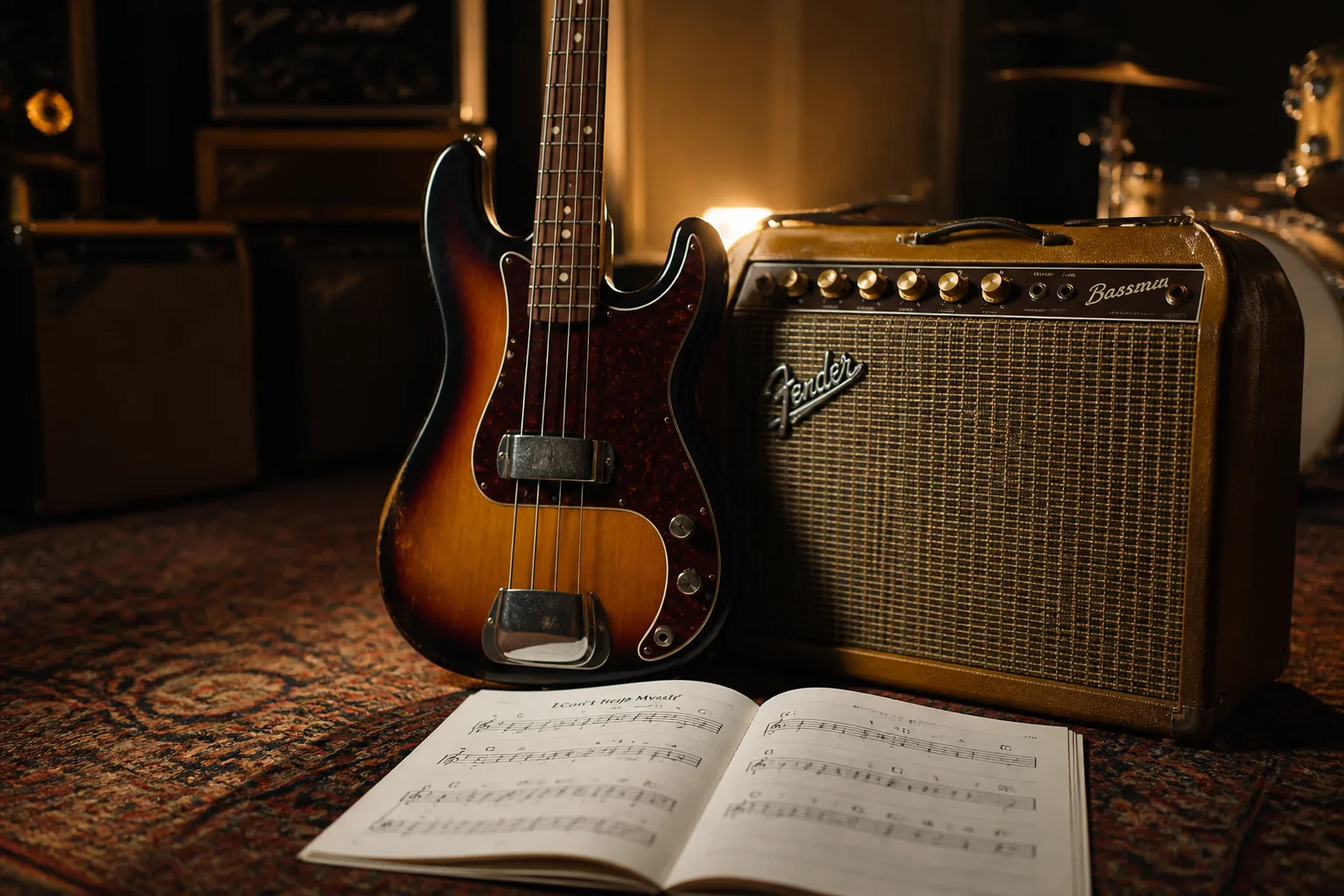
Before Black Sabbath’s first album, Butler was a rhythm guitarist. When Tony Iommi suggested he try the bass, Butler swapped his Telecaster for a Precision. He explained that he thought, “Well, I’ve got a Fender, so the next thing I’m gonna get is another Fender.” That decision cemented the band’s early sound and, ultimately, the aggressive, riff‑driven bass lines that defined the genre.
Fender’s “Lowdown” series is part of a broader effort to honor the Precision’s legacy. By pairing a pioneering heavy‑metal bassist with a contemporary rock legend, the label showcases the instrument’s versatility across decades.
Jack Bruce’s influence resurfaces in the 2026 reissue of Cream’s 1968 classic Wheels of Fire. Polydor and Universal Music Recordings released a five‑CD “Super Deluxe” edition that includes a 2026 remaster, a phase‑corrected version, stereo and mono reference reels, and a hardcover book with sleeve notes by Jim Farber. The package underscores Bruce’s lasting impact on musicians like Butler.
Black Sabbath’s own history reinforces the bass’s importance. Formed in Birmingham in 1968, the group’s early albums—Black Sabbath, Paranoid, and Master of Reality—were built around Butler’s aggressive, riff‑driven lines. The band’s induction into the Rock and Roll Hall of Fame in 2006 and its status as one of the most commercially successful metal acts attest to that legacy.
In sum, Butler’s recent comments confirm that Jack Bruce’s pioneering bass style was the decisive factor that led him to the instrument. The Fender interview, coupled with the renewed interest in Cream’s catalog, illustrates how a single performance can shape a musician’s path and influence an entire genre.