Pittsburghs Women Musicians Face Persistent Sexism, New Series Highlights Their Struggles
WESA, the University of Pittsburgh’s campus radio, has unveiled an eight‑episode podcast and accompanying weekly column titled "Taking the Mic." Produced by WESA member Laura Fidalgo and edited by Susan Scott Peterson, the series charts the journeys of women musicians across Pittsburgh. The debut episode, dropped on September 10 2026, centers on ex‑Rusted Root percussionist Liz Berlin and the sexism that has threaded through her career.
Berlin, the lone female voice in Rusted Root’s platinum‑selling 1994 hit "Send Me on My Way," remembers a 1996 meeting with the band’s label and management. According to WESA, the label instructed her to keep her newborn child out of interviews about the group’s second album, "Remember." Berlin said the request reflected a belief that audiences could picture her leaving a partner but not a child. She also felt pressured to hide her bisexuality while in a heterosexual relationship. Berlin departed Rusted Root a few years later, launched a solo career, founded a music program for foster youth, and expanded the Millvale venue she co‑owns, Mr. Small’s Theatre.
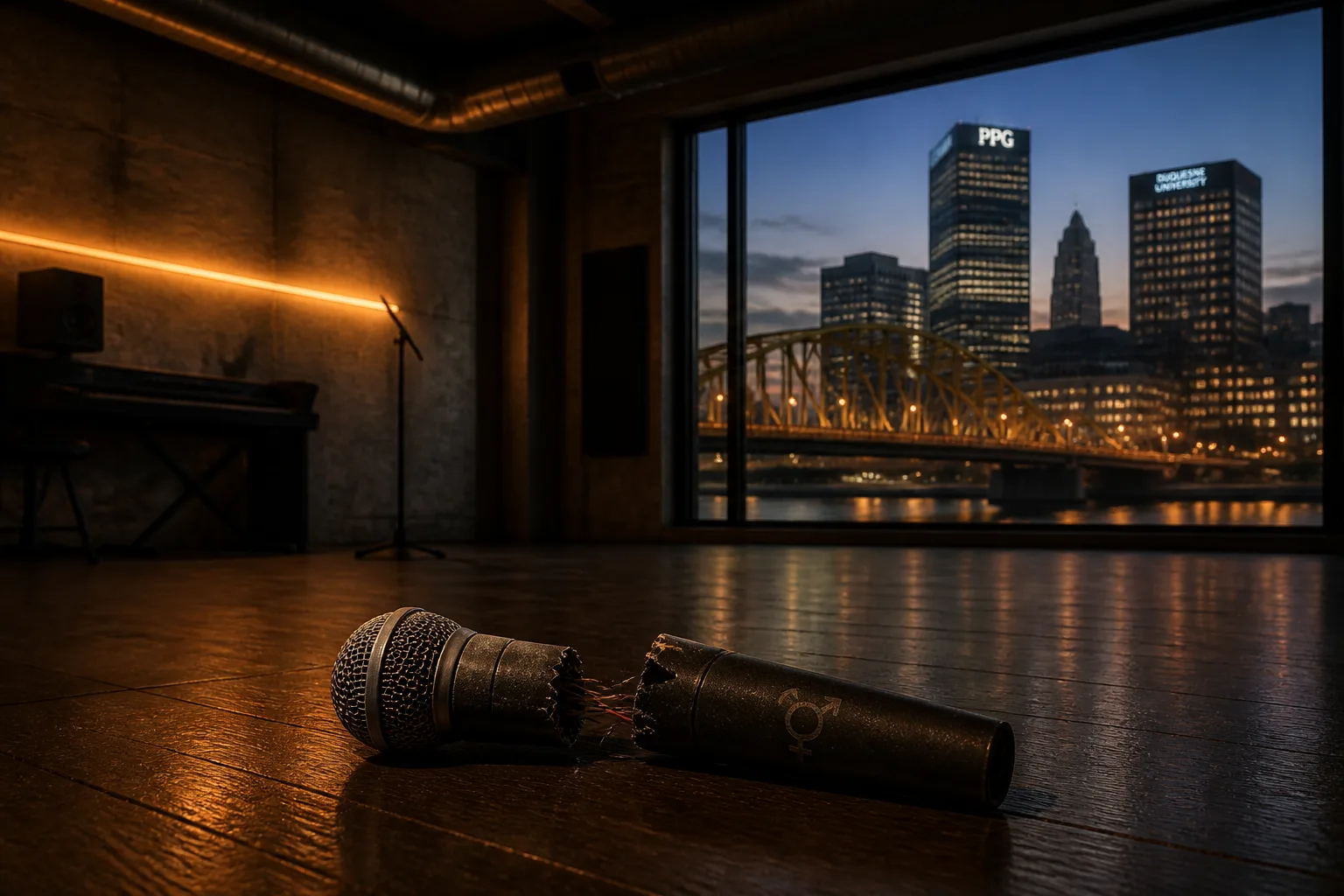
Today, Pittsburgh R&B singer INEZ reports that sexism persists in both overt and subtle forms. She recounted an incident where a sound technician asked, "Do you know how to hold a mic?" while she was prepping for a show at Hartwood Acres. Graduating cum laude from Berklee College of Music, INEZ said she had to suppress her anger to perform. She also notes that colorism compounds sexism, granting her access to venues such as the Pittsburgh Cultural Trust and Thunderbird Café that darker‑skinned peers often cannot reach.
Hannah RB, who performs as Millie Dread, posted a 2022 USC–Annenberg study that found only about 3 % of producers on 1,000 chart‑topper songs were women. The study’s 2026 update shows the figure rose to roughly 4 %. RB’s Reddit post was removed within hours and she was banned from the subreddit after appealing the removal. She says the incident demonstrates that online communities can reinforce industry sexism.
Both RB and other local musicians have turned to underground spaces to avoid hostile environments. May Wilcher attends the Open Improvisation Lab at Bantha Tea Bar, where musicians improvise with any instruments. Wilcher says the lab’s "no rules" policy encourages experimentation and provides a welcoming community for those who feel marginalized. Clara Kent, a DJ for Pittsburgh’s independent radio station 91.3 WYEP, hosts the monthly "Elevate the Underground" segment that spotlights Black femme, women, and LGBTQ artists. Kent says male producers often infantilize her, and she believes open dialogue can address these issues.
The stories in "Taking the Mic" illustrate that sexism in the music industry has persisted from the 1990s to the present, affecting mainstream labels, local venues, and online platforms. The 2026 USC study’s 4 % figure for women producers confirms that gender disparity remains a structural problem. The series, sponsored in part by the University of Pittsburgh’s Dietrich School and its "Humanities Engage" program, aims to document these challenges and encourage discussion about gender equity in music.
The series is available on Spotify and Apple Music and is published weekly on wesanews.org. It is part of WESA’s broader effort to provide a platform for under‑represented voices in Pittsburgh’s music community.