
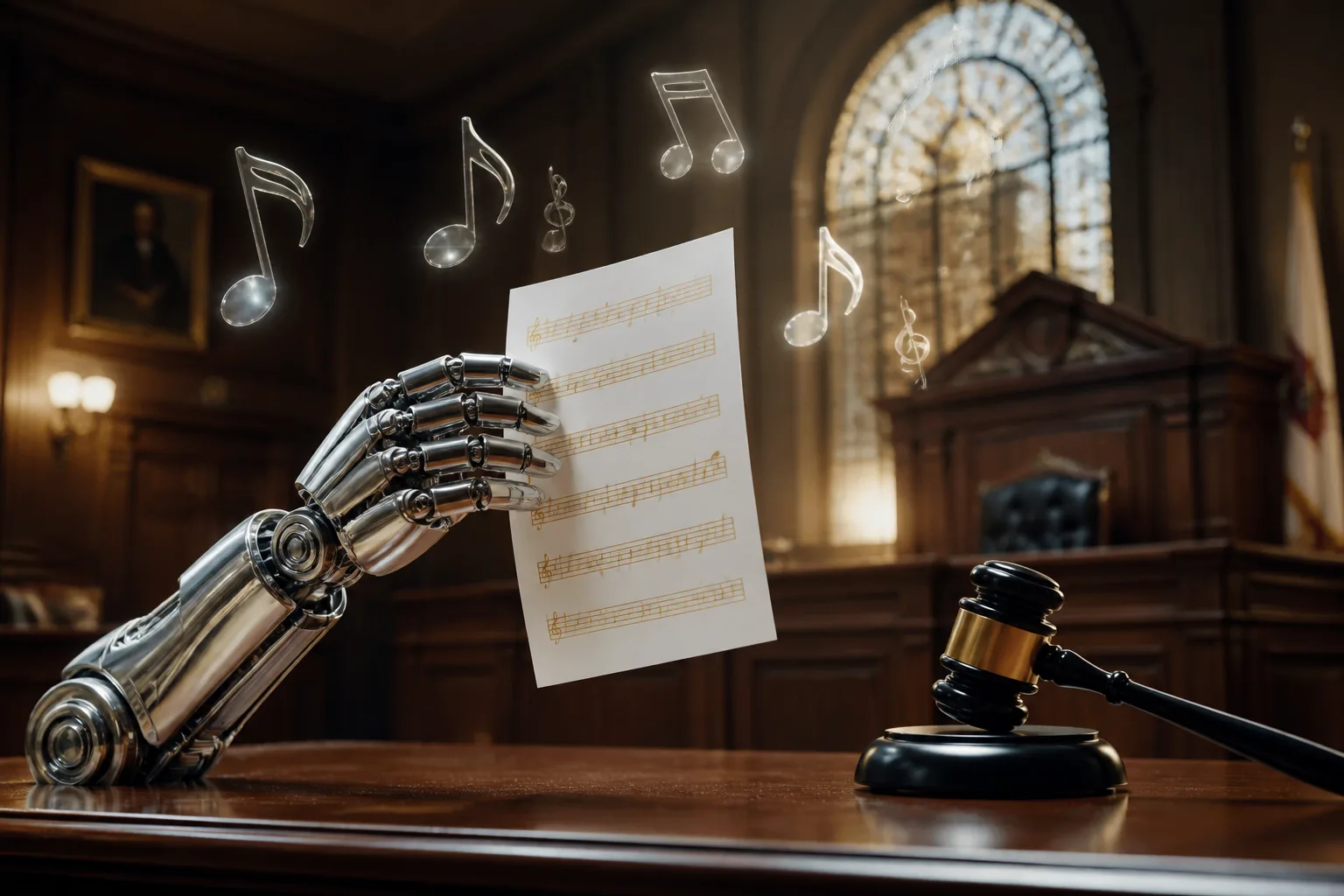
Sony Music Publishing and Warner Chappell File Lawsuit Against Anthropic Over Alleged Copyright Infringement
On August 28 2026, Sony Music Publishing and Warner Chappell lodged a federal complaint in the U.S. District Court for the Northern District of California, accusing Anthropic—developer of the Claude large‑language model—of using tens of thousands of copyrighted songs to train its AI systems without permission. The plaintiffs seek statutory damages that could reach billions of dollars, citing up to $150,000 per infringed work and $25,000 for each removal or alteration of identifying data.
The complaint alleges that Anthropic engaged in “torrenting, scraping and downloading” lyrics from copyrighted works and fed them into the Claude family of models. Specific songs named in the lawsuit include Mariah Carey’s “All I Want for Christmas Is You,” Marvin Gaye and Tammi Terrell’s “Ain’t No Mountain High Enough,” Survivor’s “Eye of the Tiger,” Bon Jovi’s “Livin’ on a Prayer,” Leonard Cohen’s “Hallelujah,” Mark Ronson’s “Uptown Funk,” and Katy Perry’s “California Gurls.” In addition, the complaint claims that Anthropic downloaded at least 7 million copies of books from pirate websites, containing lyrics and sheet music for these and other songs.
According to the filing, Anthropic also scraped lyrics from legal sites such as Musixmatch and LyricFind, and harvested data from public‑domain archives like Common Crawl. During the process, the company allegedly stripped identifying information from the texts, depriving copyright owners of attribution. The plaintiffs argue that Anthropic chose these methods to avoid paying licensing fees for the copyrighted material.
Anthropic’s history of copyright disputes adds context to the case. In 2025 the company settled a class‑action lawsuit brought by authors for $1.5 billion after it was found to have used pirated books to train its models. The settlement required Anthropic to compensate authors for the use of their works. The current lawsuit expands the focus to the music publishing sector.
The music‑industry lawsuit is not isolated. Universal Music Group and Concord Music Group have also filed claims against Anthropic, and the AI music generator Suno recently lost a copyright case against Germany’s GEMA, which cited the unauthorized use of songs such as Boney M’s “Daddy Cool” in training its technology.
Industry observers note that the filing underscores the growing legal scrutiny of AI training practices. Companies that rely on large‑language models are increasingly being challenged to secure licenses for copyrighted text, music, and other creative works. The outcome of this case could influence how AI developers source data and negotiate licensing agreements.
Anthropic’s spokesperson stated that the company disagrees with the publishers’ allegations and will defend itself vigorously in court. No court ruling has yet been issued, and the lawsuit remains pending.
The lawsuit illustrates the mounting tension between rapid AI development and the rights of creators. As AI models continue to expand their training data, the legal framework governing the use of copyrighted material is likely to evolve, potentially leading to more litigation and stricter licensing requirements for AI developers.