Independent Artist Lisa Crawley Balances Global Touring, Side Jobs and Funding Amid Rising Living Costs
Lisa Crawley’s life has been a whirlwind of continents and gigs, a career that thrives on the fragile line between passion and paycheck. From busking outside a West Auckland Kmart at ten to signing a music visa in Los Angeles in 2025, Crawley has built a trans‑pacific reputation on touring, session work and the occasional grant.
In a recent interview with Rolling Stone AU/NZ, the New Zealand singer‑songwriter laid bare the impact of Australia’s and New Zealand’s cost‑of‑living crisis on musicians. She explained how the “working musician” role has become more visible—and more essential—when living expenses rise and traditional income streams shrink.
Crawley’s early years were a mix of hustle and ambition. By fifteen she was juggling school, performing‑arts commitments and a job at Dunkin’ Donuts, while still dreaming of a full‑time music career. Those formative experiences foreshadowed a path that would weave music creation with a variety of paid gigs.
Moving to Los Angeles on a music visa in 2025 proved a double‑edged sword. The city’s high rent and competitive job market meant that “pay is often lower and the cost of living is significantly higher” than in her previous bases. Yet LA opened doors that would have remained closed elsewhere: she has played piano on New Zealand’s The X Factor, doubled as a piano hand on the U.S. version of This Is Us, and even joined a Fleetwood Mac tribute band touring the Midwest.
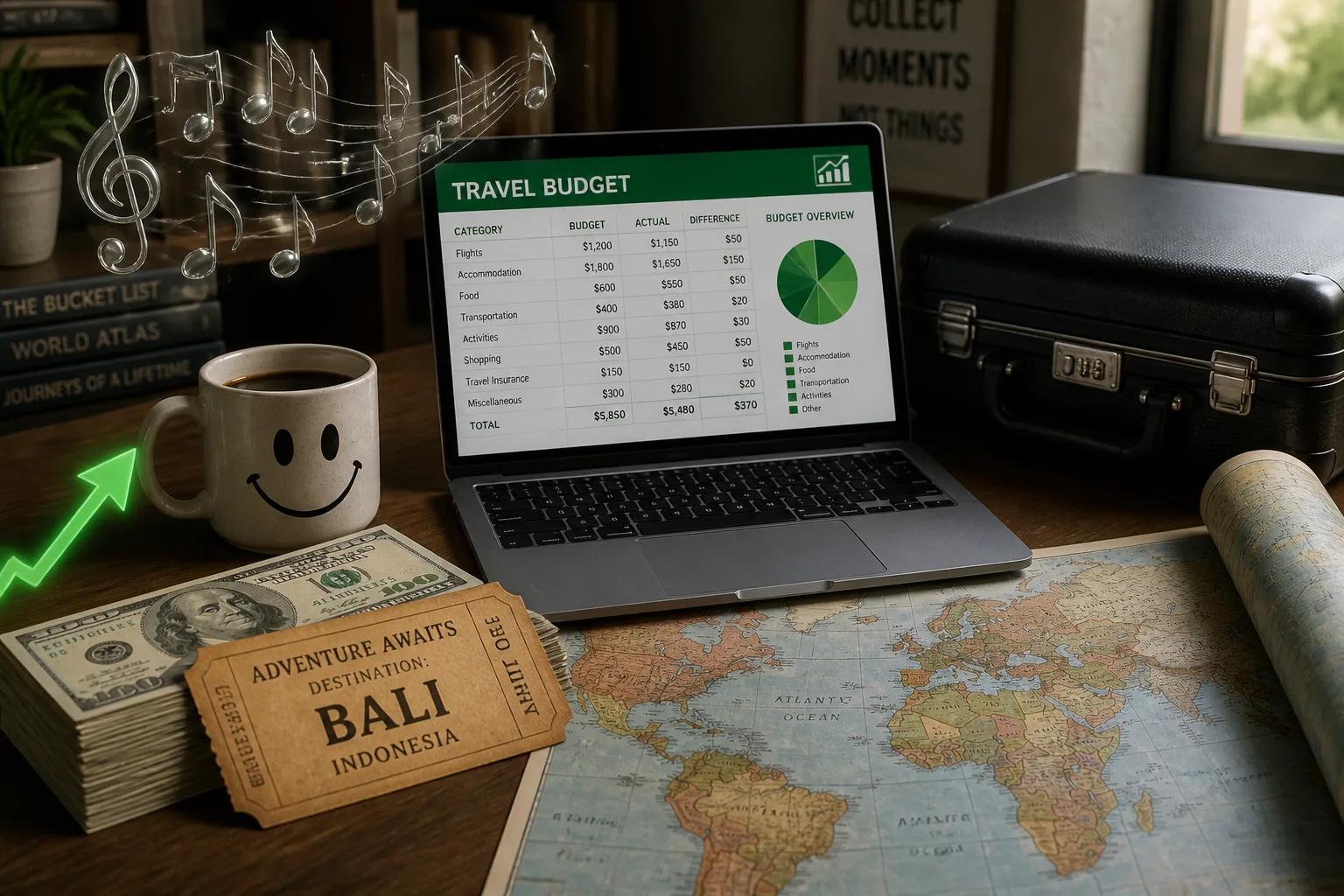
Touring remains the most expensive chapter of Crawley’s career. She explains that most tours are self‑funded, with revenue from ticket sales, merchandise, performance fees and occasional grants. “Even a successful tour doesn’t necessarily translate into significant profit,” she said. A cancelled flight or lower‑than‑expected ticket sales can wipe out earnings. Because a solo show costs less than a full‑band tour, Crawley often chooses to perform alone, even though she enjoys playing with a band.
New Zealand’s NZ On Air has been a valuable, though unpredictable, source of support. Crawley has received several single and video grants over the years, but she also self‑funds many releases. According to the NZ On Air website, grants are awarded on a competitive basis and are not guaranteed. Her most recent single, “Hurry Up and Wait,” was released in August 2026 and is accompanied by a video shot at a drive‑in theatre where she once worked.
The broader context of rising living costs is reflected in industry reports. A Mirage News article from July 2026 highlighted that young Australians are struggling to attend concerts and festivals because of the cost‑of‑living crisis. Crawley’s comments echo that sentiment: she says that “live music remains incredibly important, but without better support there’s a real risk that only artists with significant financial backing will be able to tour consistently.”
Crawley also stresses the importance of grassroots venues. She argues that “protecting grassroots venues is vital, but so is rebuilding the habit of people going out to discover artists they don’t already know.” The loss of iconic venues over the years has weakened the infrastructure that supports emerging artists.
Community support has been a recurring theme in Crawley’s narrative. She credits fellow musicians and collaborators for opportunities that arose from shared networks. For example, her partnership with producer Rob Kleiner began at a sync songwriting conference, and her work with music video director Will Cook started after a chance meeting while playing jazz standards.
Crawley’s latest releases include the EP New Girl Syndrome and a live piano and vocal EP titled Songs I Like But Did Not Write – Vol. 2. She plans to return to full‑time songwriting after the current tour cycle. While she acknowledges that “playing four hours of requests regularly to help fund it, so be it,” she remains committed to producing new material.
In sum, Lisa Crawley’s career illustrates the delicate balance independent musicians must strike between creative output, touring economics, side jobs and the need for public funding. Her experience underscores the broader challenges faced by artists in Australia and New Zealand, where rising living costs and thin touring margins threaten the sustainability of independent music.