Charles Mingus Fights 1960s Bootlegging with Mail-Order Record Club
In the mid‑1960s, before the era of digital piracy, jazz legend Charles Mingus found himself battling an underground market that threatened his art and earnings. The fight began in 1966, when Mingus was evicted from his New York apartment and confronted the harsh reality that record labels were limiting supply while distributors failed to meet fan demand.
By that time Mingus had already carved out a reputation as a masterful bassist and composer, releasing multiple studio albums and live recordings each year. Yet, reports indicate his label pressed only a few thousand copies per release. When the official stock ran out, bootleggers stepped in, producing unauthorized copies that sold at inflated prices. The result was a steady stream of revenue that bypassed Mingus entirely.
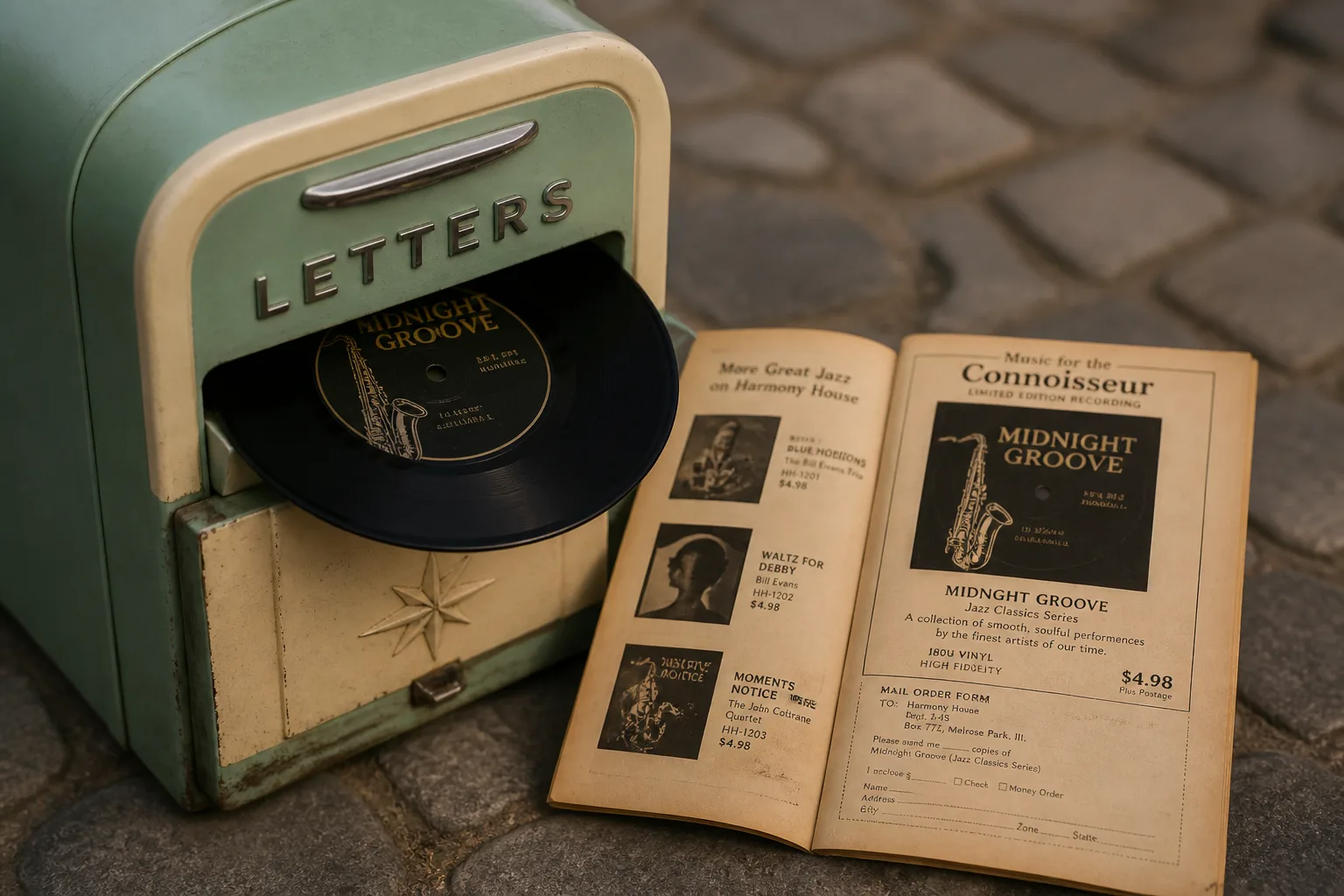
To reclaim control, Mingus founded Charles Mingus Enterprises and launched the Charles Mingus Record Club, a mail‑order service that let fans order new releases directly from him. The club was promoted in newspaper comics, including a strip in The Village Voice that illustrated the illegal sale of bootleg Mingus albums in record stores. In many ways, it was an early experiment in artist‑direct distribution—an idea that would only become mainstream with the rise of digital platforms.
Despite its ingenuity, the Record Club struggled to meet expectations. Subscribers often faced long delays in receiving their orders, a shortfall that stemmed from Mingus’s limited experience with the administrative side of distribution. The resulting frustration eroded membership, and the club was shut down a few years later. Financial strain, industry pushback, and personal stress pushed Mingus into a temporary retirement from the music scene.
Mingus’s battle was not an isolated incident. Music piracy has a long history, dating back to the early 20th century with unauthorized sheet music, piano rolls, and phonograph records. The 1960s saw a surge in bootleg recordings, especially of live jazz performances, as fans sought high‑quality copies of concerts that were not officially released.
After a brief hiatus, Mingus returned to the stage in the early 1970s. By then, audience demand had grown so large that record labels could no longer afford to underprint his releases. The increased commercial pressure, coupled with the success of his autobiography Beneath the Underdog, helped stabilize his financial situation and gave him greater creative control.
The Mingus episode illustrates the long‑standing struggle artists face in protecting their intellectual property and revenue streams. While the modern industry now relies heavily on streaming services, piracy remains a persistent issue. The 1960s bootlegging wars foreshadowed the challenges that would later arise with digital file sharing and the need for new distribution models.
Today, many musicians use direct‑to‑consumer platforms, subscription services, and licensing agreements to monetize their work. The legacy of Mingus’s mail‑order record club can be seen in contemporary artist‑run labels and fan‑subscription services that bypass traditional record‑company intermediaries.
In summary, Charles Mingus’s 1960s fight against bootlegging was a pivotal moment in music‑industry history. It highlighted the limitations of traditional distribution, the economic impact of unauthorized copies, and the potential for artists to take control of their own releases. The experience paved the way for future innovations in music distribution and underscored the enduring relevance of piracy issues in the evolving audio landscape.