German Court Rules Against AI Music Startup Suno in GEMA Copyright Case
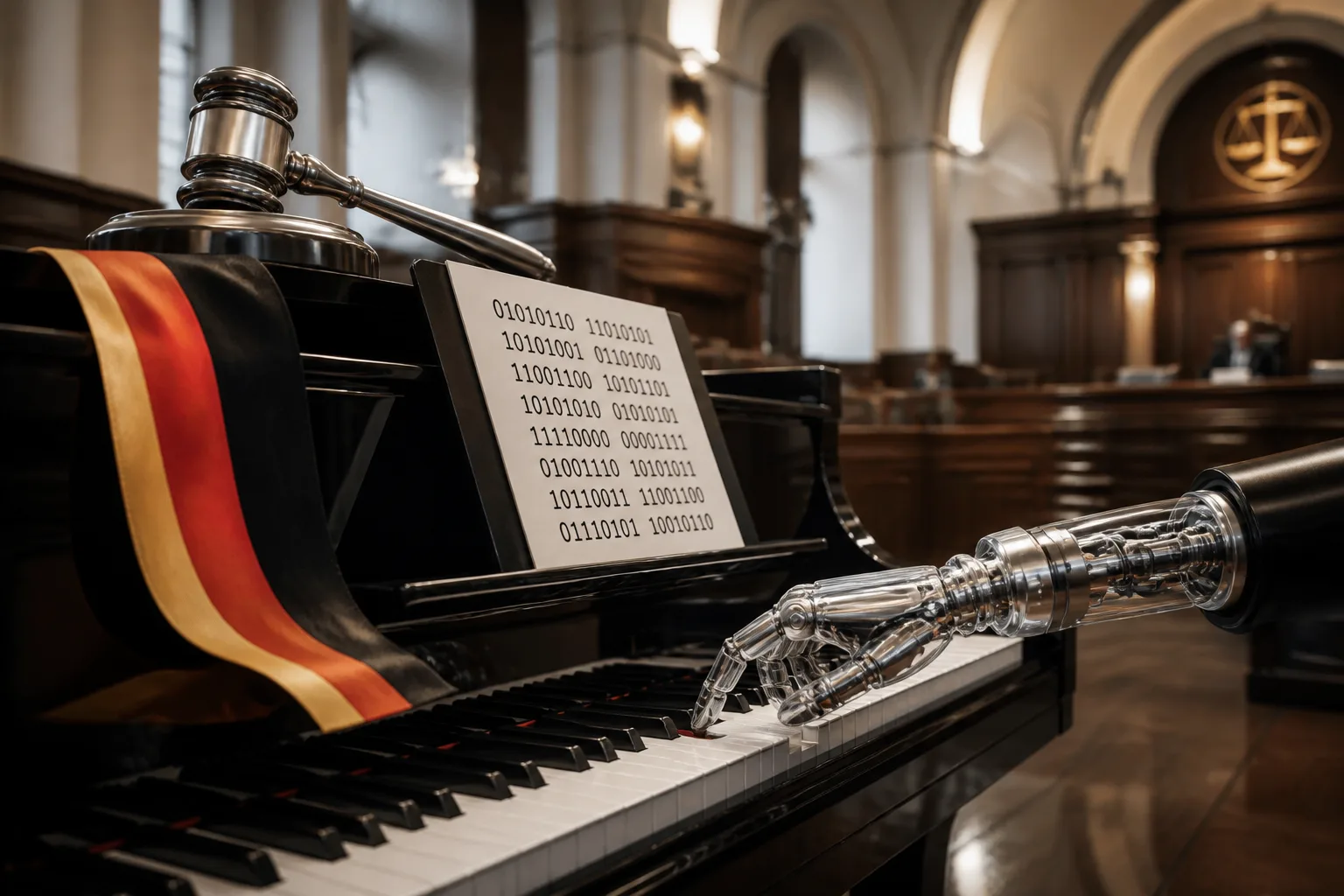
On July 31 2026, a Munich regional court delivered a decisive verdict that sent shockwaves through the AI‑music sector: Suno, the U.S.‑based generative music platform, had violated German copyright law by training its models on GEMA‑protected songs and reproducing them without a license.
The court’s decision required Suno to obtain licenses for any commercial use of GEMA’s repertoire, covering both the training phase and the generation of new tracks. The case centered on six GEMA‑registered songs—"Daddy Cool," "Rasputin," "Forever Young," and "Mambo No. 5," among others. GEMA claimed that Suno incorporated these works into its training data without permission and that the platform’s output directly reproduced the copyrighted material. The judge found the allegations substantiated and ordered Suno to halt the use of the catalog, disclose its training data, and pay damages.
Suno countered that its system is engineered to create new music rather than copy existing songs. The company highlighted built‑in safeguards and argued that the ruling mischaracterizes its technology. Suno announced it is exploring legal options, including a possible appeal.
The ruling echoes a similar victory for GEMA earlier in the year, when a Munich court found that OpenAI’s ChatGPT had unlawfully reproduced copyrighted song lyrics. Together, the decisions reinforce GEMA’s strategy to establish a clear legal framework for AI use of copyrighted music across the EU.
The scrutiny of Suno intensified after a July 2026 breach exposed its training pipeline. Leaked source code revealed that Suno scraped more than 113,000 hours of audio from YouTube Music, 62,000 hours from Pond5, 12,000 hours from Deezer, and 17,600 hours from Genius. The leak confirmed industry claims that Suno trained its AI on vast volumes of copyrighted recordings without authorization.
Suno has faced a string of lawsuits from the recording industry. In June 2026, the company raised an additional $400 million in funding while continuing to fight the lawsuits. Earlier that year, record labels amended their complaints to allege that over 61,000 additional songs were used for training without permission.
The court’s decision carries significant implications for the broader AI‑music market. Generative models that learn from existing works must now navigate a complex licensing landscape. In the EU, the legal precedent set by GEMA may require AI developers to secure explicit rights for each piece of copyrighted music used in training or generation.
Industry observers note that the ruling could affect other AI‑music platforms. Companies such as Udio, which also claims to generate music from text prompts, have faced scrutiny over their training data. The legal environment is shifting toward stricter enforcement of copyright in AI training, a trend that may influence how developers design data pipelines and licensing agreements.
For creators, the decision underscores the importance of clear licensing for any AI‑generated content that incorporates copyrighted material. Producers and musicians who use AI tools must ensure that the underlying data is properly cleared or that the output is sufficiently transformative to avoid infringement.
The Munich court’s order is part of a series of rulings that highlight the tension between rapid AI innovation and existing copyright frameworks. While the court did not specify the amount of damages, it emphasized that using protected works without a license constitutes infringement.
Suno’s next steps remain uncertain. The company has indicated it may appeal the decision, but it has not yet filed any appellate paperwork. An appeal could clarify the scope of licensing requirements for AI training data in the EU.
In the meantime, GEMA has announced it will continue to monitor AI platforms for compliance. The organization’s broader goal is to establish a sustainable model that compensates rights holders when their works are used by AI systems.
The case illustrates the growing legal challenges faced by AI music generators and the need for clear licensing mechanisms. As the industry evolves, stakeholders will need to balance innovation with respect for creators’ rights.