Insomniac, Club Space, and Factory Town Resolve Years-Long Legal Dispute
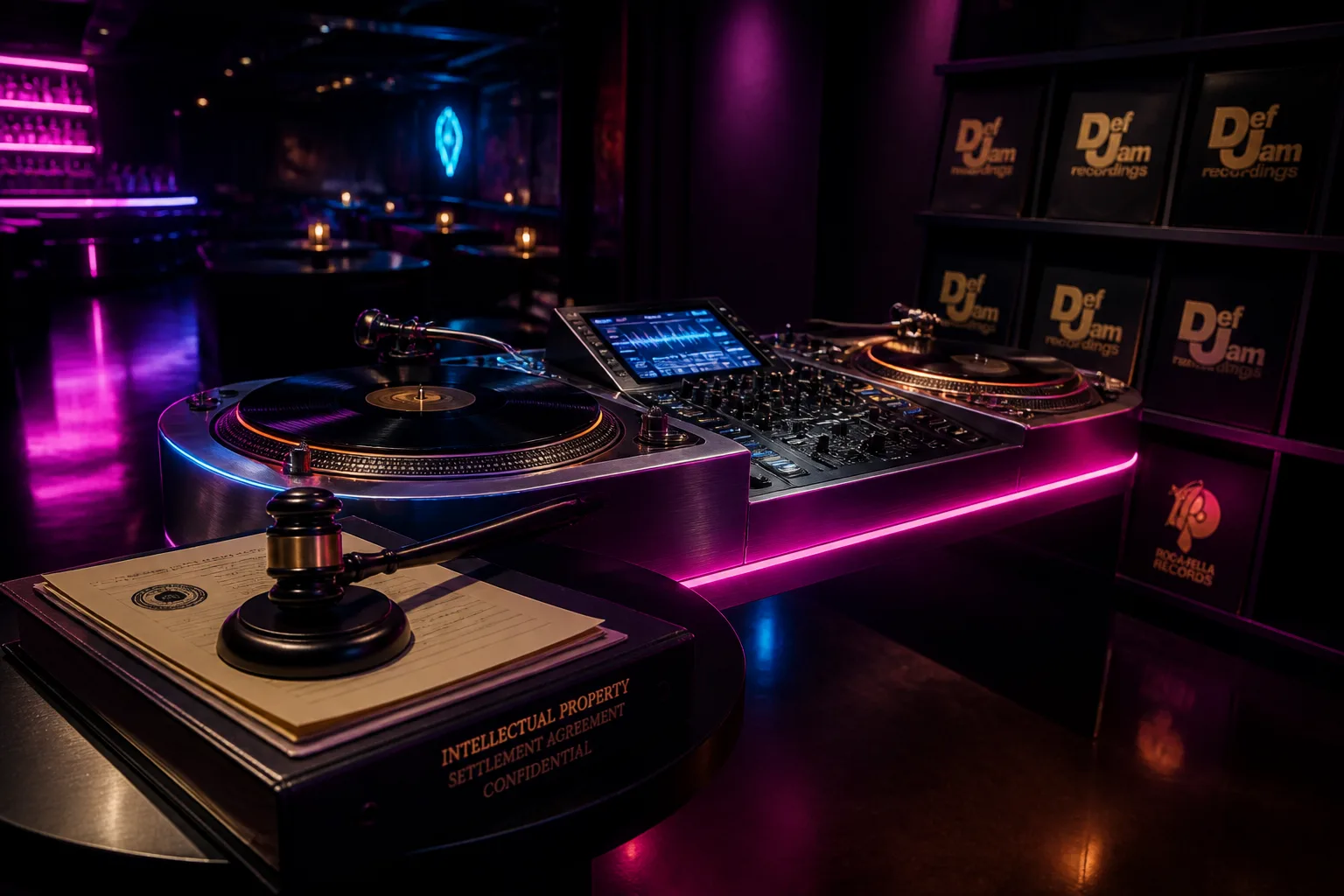
Insomniac Holdings, the global music‑production company founded by EDM promoter Pasquale Rotella, and the operators of Miami’s Club Space and Factory Town have reached a settlement that ends a nearly year‑long lawsuit. In a joint statement released to the New Times, Insomniac and business partners David Sinopoli, Davide Danese, and Jose Gabriel Coloma Cano announced that the parties had “amicably resolved their dispute.” The agreement allows Insomniac to continue operating Club Space with Sinopoli and to maintain its commitment to Factory Town, while Danese and Cano will keep running the venue Jolene with Sinopoli and pursue new projects.
The conflict began after Insomniac acquired a majority stake in Club Space in 2019, marking the company’s first venue in Miami. In 2022 the partnership expanded to launch Factory Town, a large open‑air venue in Hialeah, with Sinopoli, Danese, and Cano as key operators. Relations deteriorated over time, culminating in August 2025 when Insomniac filed a federal lawsuit against the trio. According to the complaint, the operators had attempted to renegotiate the terms of their partnership by demanding additional compensation, larger ownership shares, and greater control over Factory Town. The suit also alleged that the operators threatened a public smear campaign against Rotella after mediation efforts failed.
The trio denied the allegations. They argued that Insomniac had systematically stripped them of ownership rights after taking control of Factory Town’s lease, reducing their financial upside and operational authority. The operators claimed that Insomniac’s actions left them with “all the work, all the risk and a drastically reduced upside.” The dispute also involved a mediation agreement reached in June 2025, which Insomniac said required the company to purchase the trio’s interest in Factory Town for $3 million. Insomniac later alleged that the operators violated the settlement by presenting themselves as the controlling force behind key events, telling promoters that they had won the lawsuit, and interfering with booking and event planning.
In response, the operators filed a counterclaim a month after the lawsuit. The counterclaim asserted that Insomniac had breached the settlement by making unilateral decisions on talent bookings and business operations, including an attempt to book CircoLoco at a 44 percent higher fee than the previous year’s deal without their involvement. The counterclaim also criticized Rotella, describing him as employing “predatory tactics and greed” and “insufferable to work with.” Insomniac dismissed those remarks as an irrelevant smear campaign.
After renewed settlement discussions in the fall, attorneys for both sides informed the court in June that an agreement had been reached. The case was subsequently dismissed, closing a contentious chapter for two of Miami’s most influential electronic‑music brands. The settlement allows Insomniac to remain involved in the future of both Club Space and Factory Town while the operators retain control of Jolene and pursue new ventures.
The resolution is significant for Miami’s nightlife ecosystem. Club Space and Factory Town are key venues for electronic‑music festivals and club nights, and the dispute had raised concerns about stability and programming continuity. By restoring a working relationship between Insomniac and the local operators, the settlement is expected to preserve the venues’ reputations and maintain the flow of events that attract international DJs and local talent.
Insomniac’s continued presence in Miami also reinforces its broader strategy of expanding its venue portfolio. The company has previously acquired and operated clubs in Los Angeles, Washington, D.C., and other markets, and it runs major festivals such as Electric Daisy Carnival and Beyond Wonderland. The settlement confirms that Insomniac will keep its stake in Club Space and its commitment to Factory Town, while the operators will continue to manage Jolene and explore new projects.
The dismissal of the lawsuit marks the end of a legal battle that highlighted the challenges of joint‑venture partnerships in the live‑event industry. The parties have agreed to move forward with their respective responsibilities, and no further litigation is expected.