
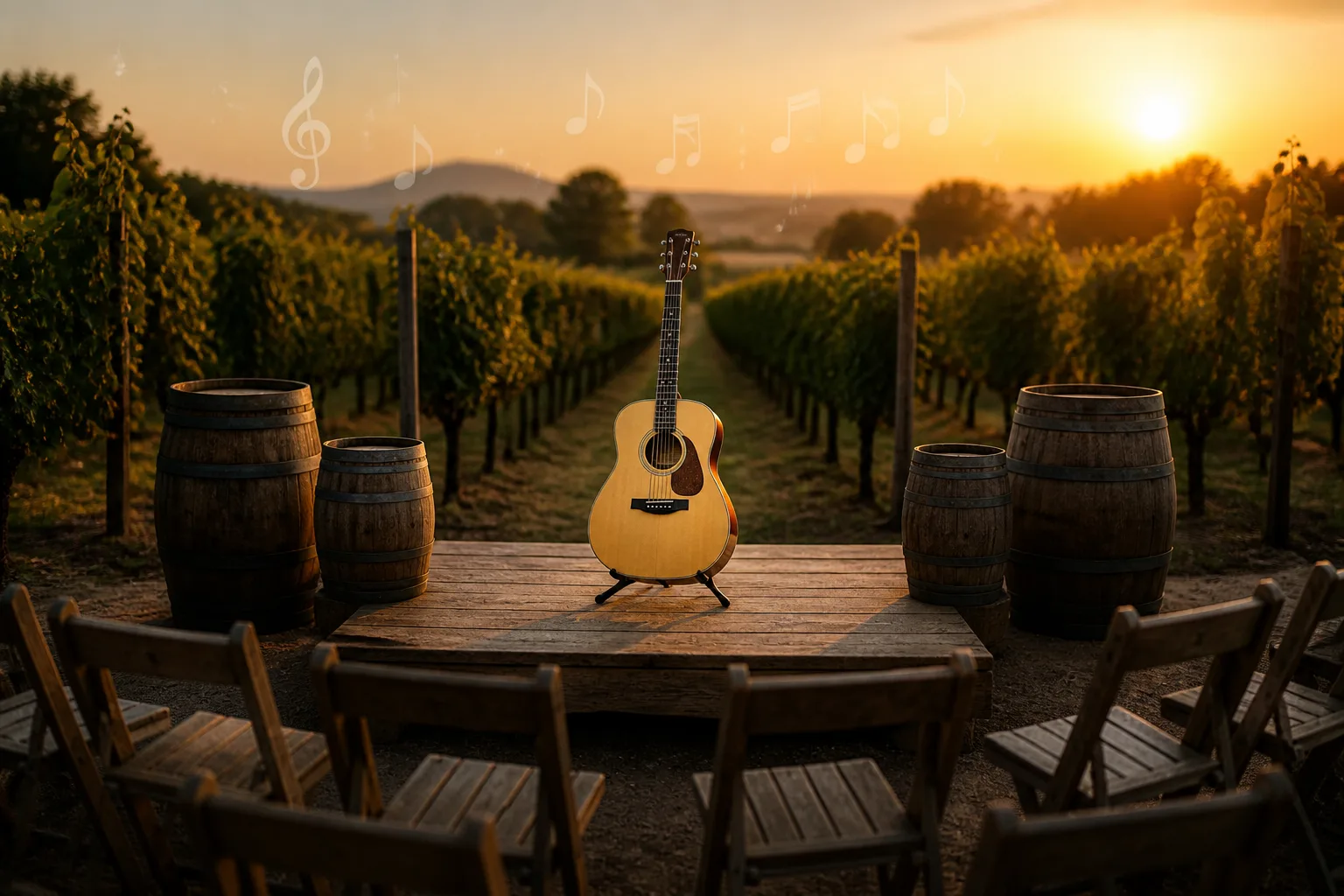
Napa County Music Scene Gains Momentum Amid New Venues and Community Initiatives
Napa County’s music community is experiencing a resurgence of activity and infrastructure, driven by the opening of new performance spaces and the arrival of national music‑industry programs. In 2026 the county now hosts the Napa Music Hall, the Napa School of Music, and a series of high‑profile events such as the Balanced Breakfast Music Summit and BottleRock Napa Valley, all of which provide venues, education, and networking opportunities for local musicians.
The county’s musical heritage has long been hampered by a shortage of dedicated venues. From the late 1960s through the 1990s, Napa lacked a robust network of clubs, recording studios, radio stations, and rehearsal spaces. According to a statement by Dalton J. Piercey, a long‑time resident and music advocate, the community lost “venues that once provided performance opportunities for local musicians” during that period.
Piercey notes that the situation began to change in 2000 when he organized free concerts in Veterans Memorial Park. These events ran for four years and served as a protest to the city of Napa, arguing that a single venue was insufficient to sustain the local music culture. The concerts were aligned with the Downtown Specific Entertainment Plan, and they demonstrated the community’s willingness to mobilize for a stronger music infrastructure.
In recent years, several new venues have emerged. The Napa Music Hall, which opened after the departure of the Blue Note from the Opera House, now hosts a range of performances from local bands to touring acts. The Napa School of Music, led by director Ralf Linder, offers formal training for aspiring musicians and has become a key educational hub in the region.
National organizations have also stepped into the local scene. The Balanced Breakfast Music Summit, held in late May 2026, brought together musicians, industry professionals, and creative leaders for workshops, showcases, and networking. The summit’s organizers describe it as a “space for musicians and industry professionals to connect, share knowledge, and support one another in building meaningful, sustainable careers in music.” BottleRock Napa Valley, a three‑day festival that took place in 2024, featured headliners such as Pearl Jam, Ed Sheeran, and Stevie Nicks and drew large crowds to the county’s outdoor venues.
Despite these developments, Piercey argues that many local musicians still feel invisible and unrecognized. He cites a perceived lack of professional status for Napa artists and notes that “the new leaders and even many of my peers have little knowledge of my work.” He attributes this to intersectional discrimination based on age and culture, describing how multiple forms of bias can shape how a person is perceived and valued.
Industry observers note that the growth of venues and educational programs is a positive sign for the local economy and cultural life. The Napa County Chamber of Commerce has highlighted the role of music tourism in attracting visitors to the region’s wineries and restaurants. Meanwhile, the city’s downtown revitalization plans now include provisions for supporting live‑music venues and related businesses.
The current momentum suggests that Napa’s music community is moving toward a more sustainable model, but challenges remain. Continued investment in performance spaces, equitable recognition of local talent, and support for musicians’ professional development are essential to maintain the gains made in recent years.
In summary, Napa County’s music scene is experiencing a renaissance fueled by new venues, national partnerships, and community advocacy. The Napa Music Hall, Napa School of Music, Balanced Breakfast, and BottleRock events are reshaping the local music infrastructure, while ongoing efforts aim to address visibility and discrimination issues that still affect many musicians in the area.