Vancouvers New Freedom Mobile Arch Opens Ahead of 2026 FIFA World Cup, Expanding Mid-Size Venue Options
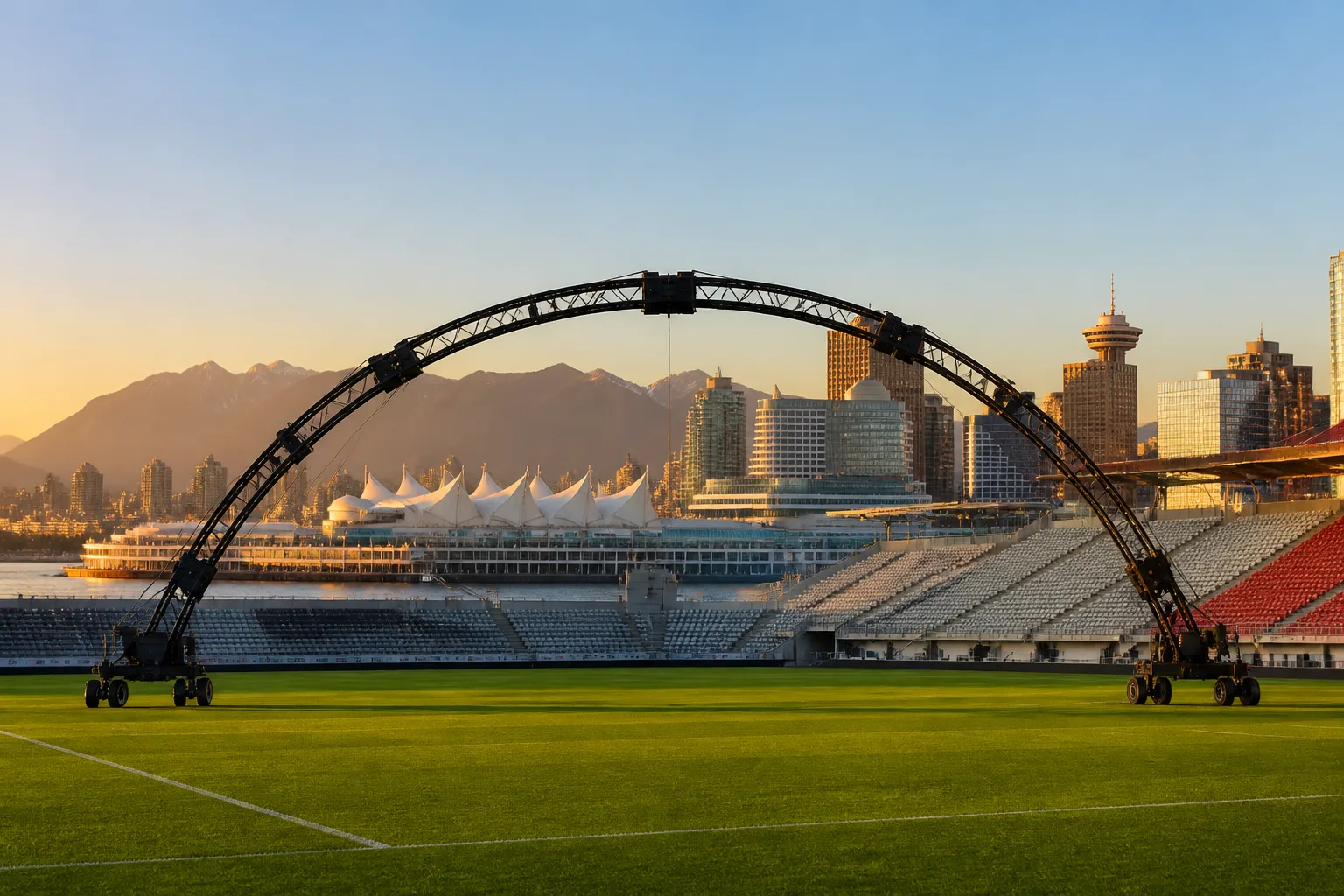
On June 5 2026, Vancouver added a new 10,000‑seat open‑air amphitheatre to its cultural landscape: the Freedom Mobile Arch, located on the Pacific National Exhibition (PNE) grounds. The venue will host the FIFA Fan Festival and a slate of concerts during the 2026 FIFA World Cup, marking the largest new construction in the city since Rogers Arena opened in 1995 and the first new building on the PNE site since the Pacific Coliseum in 1968.
The Arch sits between the 2,672‑seat Orpheum and Queen Elizabeth Theatre and the 17,500‑seat Pacific Coliseum and Rogers Arena, filling a mid‑size gap that has long limited options for “mid‑ to upper‑level artists.” According to Paul Runnals, founding partner of Brand Live Management Group Inc., the venue will not operate year‑round but will provide a dedicated stage for the FIFA Fan Festival and other touring acts.
Construction costs ballooned from an initial $64.8 million estimate to an expected $183 million. PNE CEO Shelley Frost explained that extensive geotechnical testing uncovered 60 times more water than anticipated, requiring additional concrete and specialized engineering. The city now covers most of the expense, and PNE will repay $110 million over 20 years. Freedom Mobile contributed “millions” in naming‑rights sponsorship, and the opening gala featured performances by Jann Arden and Colin James.
BC Place Stadium received $196 million in upgrades, adding new field‑side club suites, enhanced Level 3 hospitality areas, and a modern merchandise store. General manager Chris May highlighted the new Corner Club suite, which holds hundreds of guests and opened for a public event on March 3 2026. While not designed for live bands, the suite can host concerts and, when combined with nearby suites, accommodate conferences of up to 500 people.
Smaller venues are also modernizing. Rickshaw Theatre owner Mo Tarmohamed invested nearly $100 k in sound and lighting upgrades and tens of thousands more in acoustic panels in 2024, partially funded by Creative BC grants. The theatre’s revenue streams include ticket sales, concessions, flat‑fee rentals to promoters, and event‑planning services. Other changes include the closure of the Imperial Theatre in late 2022 due to safety concerns and a 2023 fire, the reopening of the Hollywood Theatre in Kitsilano after a 2018 renovation by Bonnis Properties, and ongoing redevelopment plans around the Commodore Ballroom by Dayhu Group. City council’s recent rezoning will add high‑rise residential units and office space, potentially supporting future venue tenants.
The 85‑year‑old Malkin Bowl in Stanley Park still requires major upgrades. Runnals notes the lack of permanent washrooms, poor drainage, and outdated technical infrastructure. He argues that a new covering and modern facilities could transform the venue from a seasonal theatre into a year‑round roadhouse capable of hosting concerts.
With the Freedom Mobile Arch now operational and BC Place upgraded, Vancouver has expanded its mid‑size venue options while smaller venues continue to modernize. The city’s investment in infrastructure ahead of the 2026 FIFA World Cup is expected to generate revenue and broaden the range of performance spaces for artists and promoters.