Dublin Artist Goldbug Unveils New Album Swings & Roundabouts
On June 30, 2026, Dublin’s own Goldbug released Swings & Roundabouts, a self‑produced album that blurs the line between post‑rock texture and orchestral color. The record is a collage of early post‑rock ambience, vibraphone glides, sweeping strings, and brassy horns, all woven into dream‑like soundscapes that invite listeners into a contemplative escape.
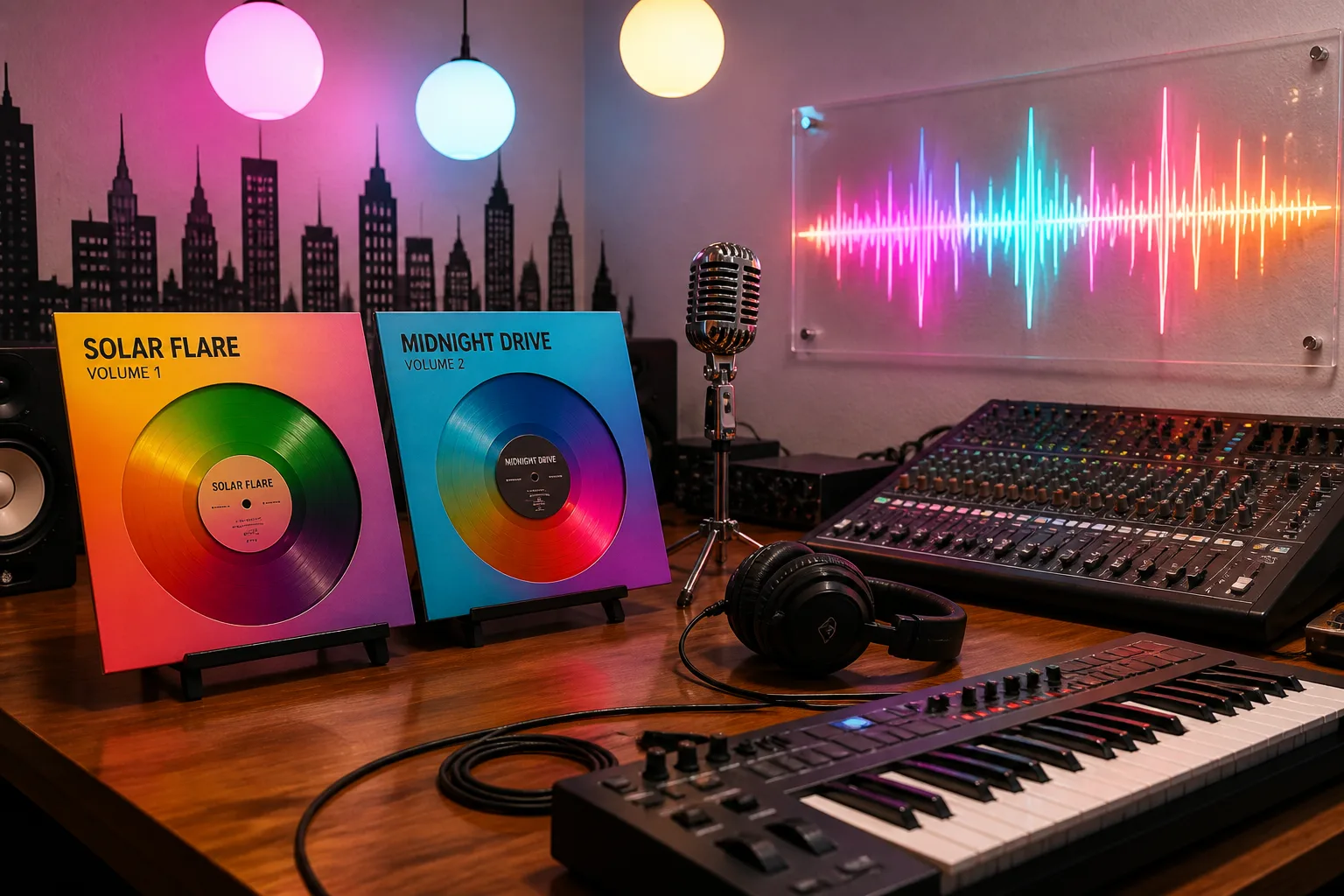
Goldbug built the entire album inside his home studio, relying solely on his computer. He did not rehearse the songs in a live setting or workshop them with a band; instead, he devoted the time to mastering digital production techniques that would translate his ideas into fully realized tracks. The result is a collection that feels both intimate and expansive, a testament to how modern DAWs and plugins can empower a single artist to layer complex arrangements.
The artist’s chosen moniker and the album’s title carry personal meaning. Goldbug, who keeps his legal name private, explained that the name stems from a childhood fascination with insects and a lifelong affection for the colour gold. The album’s title, Swings & Roundabouts, reflects the rhythmic motion that threads through the music, echoing the oscillations of a playground swing or the circular motion of a roundabout.
His multicultural upbringing is woven into the fabric of the record. Born in Canada, raised in France, and later moving frequently, Goldbug identifies as a “third‑culture kid.” He grew up in a Provence commune he describes as a “religious community in a beautiful place out in the country.” The isolation and spiritual ambience of that environment shaped his quest for meaning and informed the album’s meditative tone.
Musically, the album is anchored in early post‑rock, a genre prized for texture over conventional structure. Goldbug blends that aesthetic with classical instruments—vibraphone, strings, horns—creating a hybrid that retains rock’s edge while expanding its sonic palette. Ambient tracks on the record are intentionally meditative, designed to transport listeners into a fantasy world and provide an escapist listening experience.
Although Goldbug did not name specific software or plugins, his workflow aligns with standard DAW practices: multitrack recording, virtual instrument use, and digital mixing. The presence of classical instrumentation suggests he employed high‑quality sampled libraries or recorded hardware instruments, then processed them within the DAW to achieve the desired tonal depth.
He also described the album as “varied” and admitted to having “music ADHD,” hinting at an experimental mindset that thrives on surprise and unpredictability. This approach fits a broader industry trend in which artists blend genres and cultural influences to forge fresh sonic landscapes.
Swings & Roundabouts adds to the growing catalog of Irish and Dublin‑based musicians pushing the boundaries of contemporary music through genre fusion and self‑production. The album is now available on major streaming platforms and can be purchased through standard digital distribution channels.
In sum, Goldbug’s latest release showcases how a single artist can harness digital tools to craft a richly layered, genre‑crossing record that draws on early post‑rock textures, classical instrumentation, and ambient dreaming, all while reflecting a multicultural life story and a commitment to independent creation.