Algorithms, AI and the Future of Music: How Digital Platforms Are Reshaping Creation, Distribution and Listening
The first half of 2026 has seen the global recorded‑music market hit $31.7 billion, according to the Global Music Report 2025. Paid‑streaming subscriptions now generate more than half of that figure, backed by 837 million paid subscribers worldwide.
The move from ritualised listening to algorithm‑driven discovery began in the early 2000s, when streaming services started to dominate. Spotify, launched in 2006, remains the largest platform. As of March 2026, it boasts 761 million monthly active users, 293 million of whom are paying subscribers, a figure cited in its Wikipedia entry. The service offers over 100 million songs and 7 million podcasts, and it pays rights holders roughly 70 % of its revenue.
Today, algorithms decide what a listener hears. Spotify’s “Discover Weekly” playlist, for instance, is generated through collaborative‑filtering and content‑based models that analyse a user’s listening history alongside those of similar users. The algorithm rewards tracks that keep listeners engaged for the first 15 seconds, a metric that has reshaped how songs are written and produced.
Academic research backs the influence of recommendation systems. A 2015 study by Schedl, Hauger and colleagues examined how different algorithmic approaches affect artist discovery across genders. More recent literature reviews—such as the 2023 “Impact of Algorithmically‑Driven Recommendation Systems on Music Consumption and Production”—highlight the opaque logic that prioritises engagement over novelty.
The cultural impact is two‑fold. First, the traditional communal, ritualised experience of music has been compressed into ambient playlists for studying, sleeping, or working. Second, musicians now wear many hats—compose, perform, produce, market, and create social‑media content—often without institutional support. The result is a widening gap between visibility and economic viability; a track can accrue millions of streams yet generate modest income after platform, distributor, and label cuts.
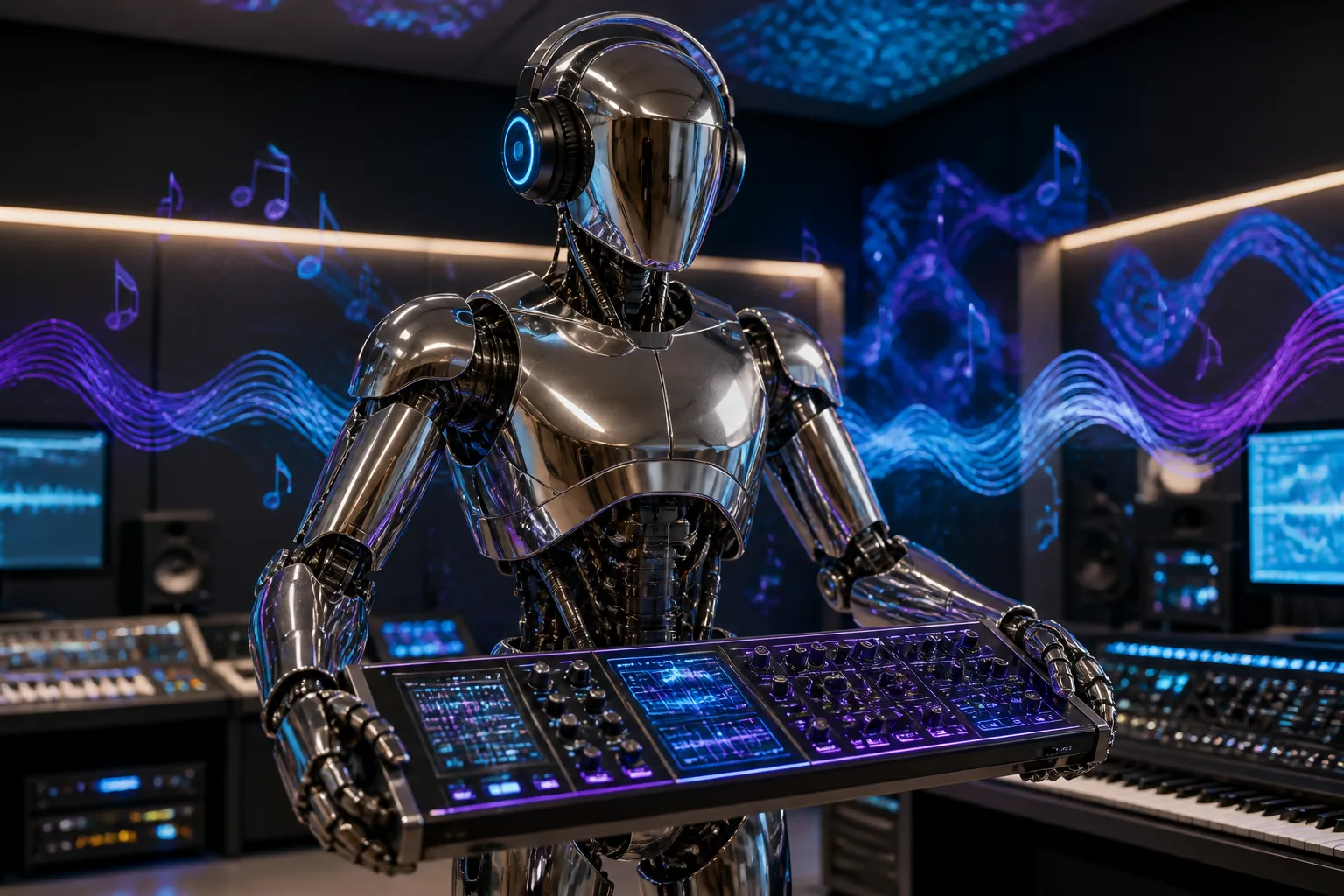
AI is accelerating these changes. Platforms such as Suno and Udio allow users to generate full songs from text prompts in seconds. The technology can mimic vocal styles, compose in the style of a maestro, or produce classical ragas. While the creative possibilities are vast, the legal and economic questions remain unsettled. Who owns the style, credit, and royalties when an AI reproduces a classical vocalist’s phrasing?
Despite efficiency gains, AI and algorithms do not replace the human element that gives music meaning. The article notes that “beauty in music lies equally in intention, vulnerability, memory and lived experience.” A lullaby sung by a mother, a protest chant, or a dawn raga all carry context that a dataset cannot fully encode.
The industry’s response has been mixed. Some platforms are experimenting with higher royalty rates for independent artists, while others are tightening metadata requirements to improve payout accuracy. Policymakers in the EU and the US are reviewing copyright law to address AI‑generated works, and performance‑rights organisations are updating licensing frameworks.
In short, the digital era has democratised music production and distribution, but it has also introduced new forms of scarcity—attention and economic sustainability. Algorithms shape what is heard, and AI can now create what was once the sole domain of human musicians. The challenge for creators, listeners, and regulators is to preserve the cultural depth that has historically defined music while embracing the efficiencies of modern technology.
The next steps will involve clearer compensation models, stronger legal protections for AI‑generated content, and continued research into how recommendation systems influence listening habits. Until those measures are in place, the music industry will continue to balance the convenience of algorithmic curation with the need for meaningful, context‑rich musical experiences.