Google Seeks to Dismiss Lyria 3 AI Training Lawsuit, Citing YouTube Terms
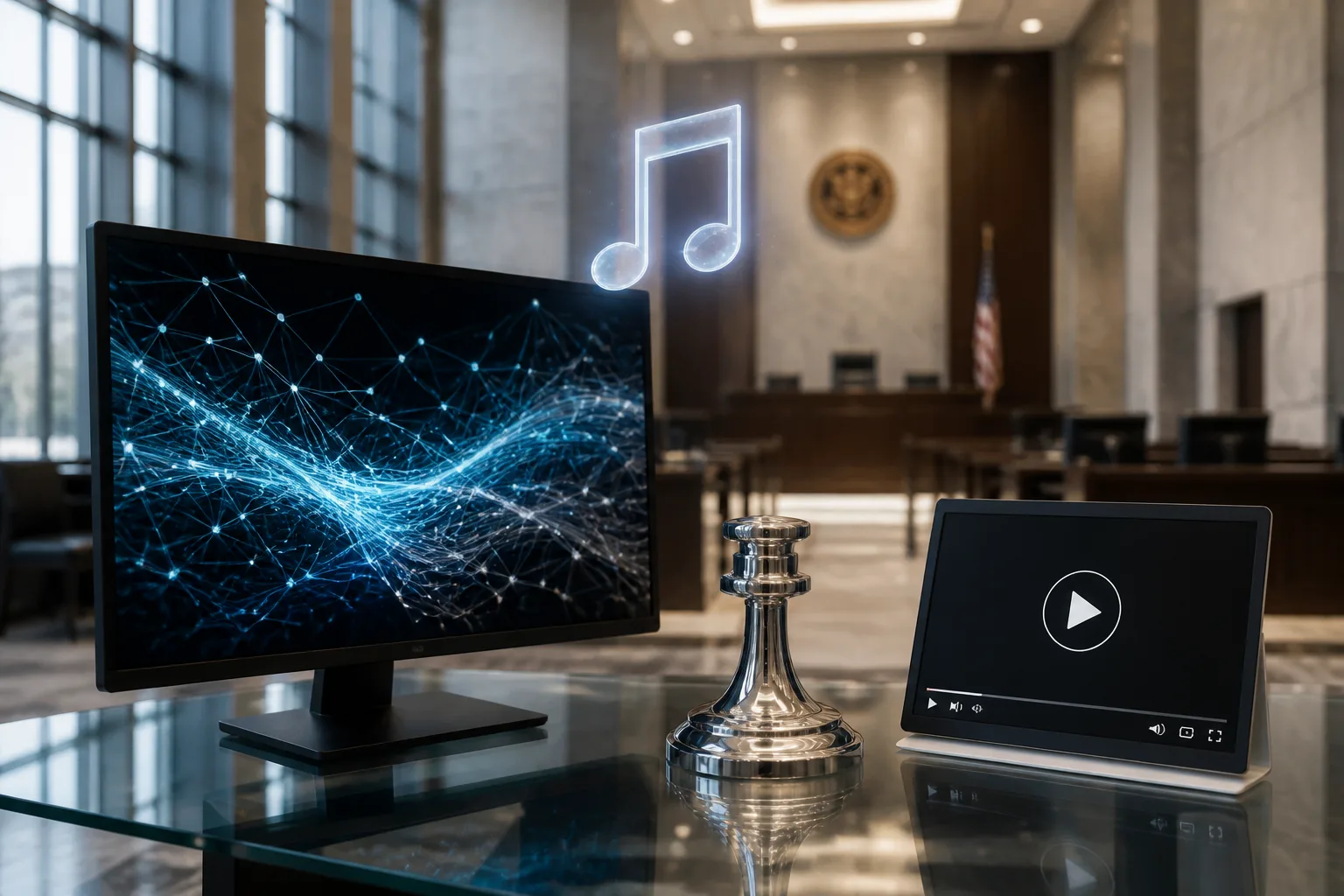
A federal court filing filed by Google on Tuesday seeks to dismiss a copyright lawsuit brought by a group of independent musicians who allege that the company trained its Lyria 3 AI music model on their copyrighted recordings without permission.
The lawsuit, filed in March, claims that Google extracted songs from YouTube and used them to train Lyria 3, a generative music model launched in February 2026. Google’s defense is based on an interpretation of YouTube’s Terms of Service, which the company says grant it a broad, royalty‑free licence to reproduce, distribute and create derivative works from content uploaded to the platform. The filing states that the term “affiliates” in the terms includes other Alphabet divisions, thereby covering Lyria 3.
According to the court documents, Google argues that the rights granted by users when they upload music to YouTube already cover the use of that material for AI training. The company also points to the scale of its music ecosystem, noting that it paid more than $8 billion to the music industry in the past 12 months, and frames its AI development as part of the same broader platform activity.
The musicians counter that uploading music for streaming and monetisation is not the same as granting permission for AI model training. They claim that YouTube’s ownership structure, particularly the Content ID system, gives Google additional leverage to use uploaded material. The artists also say that there is no transparency about whether their specific works were included in the training data, and that the lawsuit is based on an “unsupported hypothesis” that any of the plaintiffs’ recordings were actually used.
The dispute comes as Google expands its AI music tools. Lyria 3 Pro, released in March 2026, can generate tracks up to three minutes long and allows users to specify structural elements such as intros, verses and choruses. Google says it trains the model only on materials it has the right to use under platform terms and partner agreements, and it claims safeguards such as SynthID watermarking to prevent imitation of specific artists.
For independent musicians, the case highlights a growing gap between the language of platform licences and creators’ expectations. If Google’s argument succeeds, it could reinforce the idea that existing YouTube licences already cover AI training use cases. If it fails, it may prompt platforms to separate AI development from standard content licensing. Either outcome is likely to influence how digital distributors, streaming services and AI developers define rights around music data.
At present, the court has not ruled on the merits of the case. The filing indicates that Google is seeking dismissal, and the lawsuit remains pending. The outcome will be closely watched by creators, rights holders and industry stakeholders.